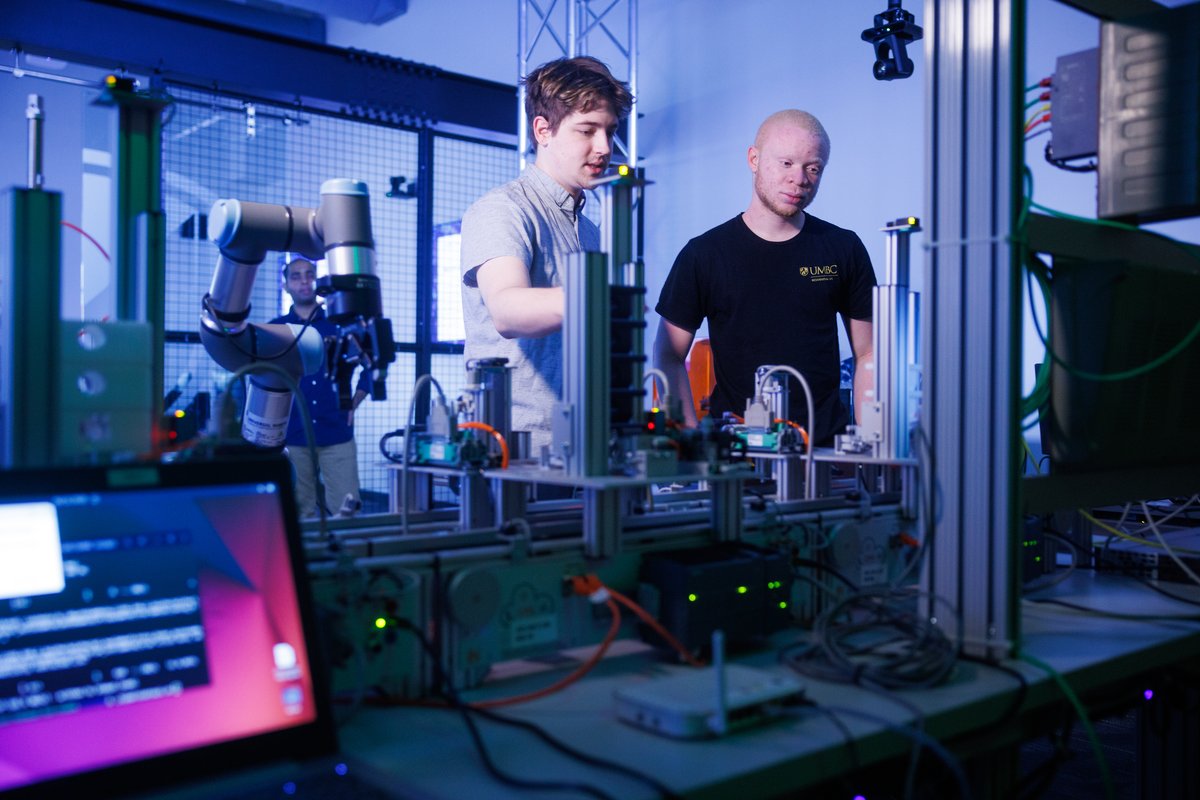


Understanding Leg Movements During Sleep

Biomedical Devices & Sleep Research Active

Understanding Leg Movements During Sleep

Advanced research using wearable sensors and machine learning to detect and analyze leg movements during sleep for improved diagnosis of sleep disorders.

Started: 2025
Funded by: NIH, NSF
Team: 8 researchers

Overview

This groundbreaking research project focuses on understanding and characterizing leg movements during sleep using state-of-the-art wearable sensors and machine learning algorithms. The project aims to improve the diagnosis and treatment of sleep disorders such as Restless Leg Syndrome (RLS) and Periodic Limb Movement Disorder (PLMD).

Our research combines multi-modal sensor data from custom-designed wearable devices with advanced machine learning techniques to detect cortical arousals associated with leg movements. This work has resulted in multiple peer-reviewed publications in high-impact journals including Scientific Reports (Nature) and Journal of Medical Devices.
Key Features

  • Non-invasive wearable sensor system
  • Real-time leg movement detection
  • Machine learning-based cortical arousal prediction
  • Multi-modal sensor fusion
  • Clinical validation with sleep labs
  • Low-power IoT architecture

Gallery

Related Publications

Detection of Cortical Arousals in Sleep Using Multimodal Wearable Sensors and Machine Learning

Kucukosmanoglu et al.
Scientific Reports, Nature, 2025

Understanding Cortical Arousals during Sleep from Leg Movements: A Pilot Study

Kanika Bansal et al.
Scientific Reports, Nature, 2022

RestEaze: An Emerging Technology to Characterize Leg Movements During Sleep

Justin Brooks et al.
Journal of Medical Devices, 2022